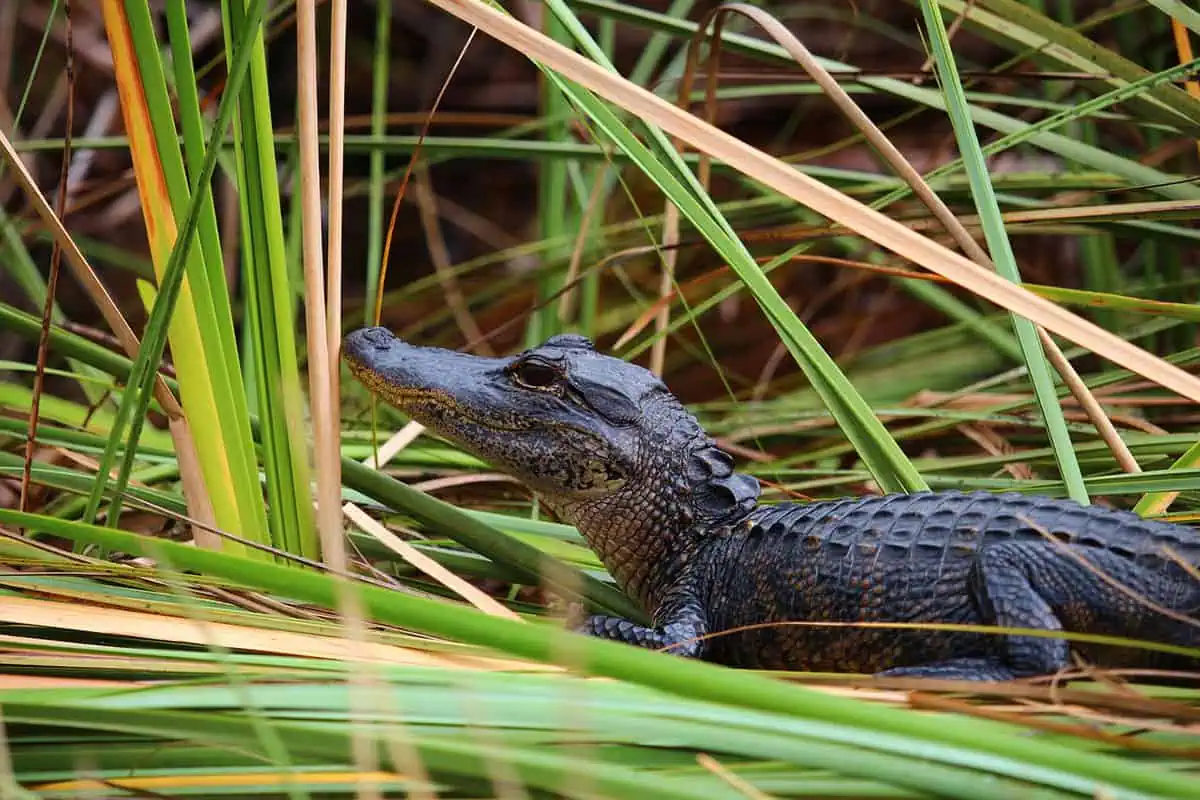
Florida’s swamps are some of the most unique ecosystems in the United States. Warm, slow-moving water, dense vegetation, and year-round humidity create the perfect environment for a wide range of wildlife. While many of these animals are harmless or avoid humans altogether, others can pose real risks if you get too close or aren’t paying attention. If you’re exploring these areas, it helps to know what lives there and how to recognize potential danger.
10 animals to avoid in the swamps of Florida
1. American alligator

The American alligator is the most well-known animal in Florida swamps, and for good reason. These large reptiles are found throughout the state in freshwater environments like marshes, swamps, lakes, and slow-moving rivers. It is not unusual for people to encounter them while hiking near water or even walking along boardwalk trails.
Alligators are generally not aggressive toward humans, but they are powerful predators with quick reflexes. Most incidents happen when people get too close, especially near the water’s edge where alligators are most active. They can launch themselves forward surprisingly fast over short distances.
The best approach is to give them plenty of space and never feed them. Feeding alligators causes them to associate humans with food, which increases the chance of dangerous encounters.
2. Cottonmouth

The cottonmouth, also known as the water moccasin, is one of the few venomous snakes commonly found in swamp environments. It prefers slow-moving water and often rests along banks, logs, or shallow edges where people might step without noticing.
This snake gets its name from the white interior of its mouth, which it displays when threatened. Unlike many snakes that flee quickly, cottonmouths are more likely to stand their ground if disturbed.
While bites are not common, they can happen if someone accidentally steps too close or tries to handle the snake. When walking in swampy areas, it is important to watch where you place your feet and avoid reaching into areas you cannot clearly see.
3. Eastern diamondback rattlesnake

The eastern diamondback rattlesnake is the largest venomous snake in North America and can be found in parts of Florida, including dry edges of swamp habitats and nearby forests. It is less commonly seen in deep swamp water but may be encountered in surrounding areas where people hike or explore.
This snake relies on camouflage and often remains still, which makes it easy to overlook. Its rattle serves as a warning, but not all individuals will rattle before striking.
A bite from an eastern diamondback is serious and requires immediate medical attention. Staying on clear paths and avoiding tall grass or dense ground cover can greatly reduce the risk of an encounter.
4. Feral hog

Feral hogs are widespread in Florida and thrive in swampy environments where food and water are abundant. They are highly adaptable and often travel in groups, rooting through soil and vegetation in search of food.
These animals can be unpredictable, especially if they feel threatened or cornered. They have sharp tusks and are capable of charging when agitated. Most encounters are harmless, but they can become dangerous if a hog perceives a threat to itself or its young.
If you come across feral hogs, it is best to keep your distance and avoid sudden movements. Giving them space allows them to move away without feeling pressured.
5. American black bear

The Florida black bear is a subspecies of the American black bear and is found in forested and swampy regions across the state. While sightings are relatively rare, they do occur, especially in more remote areas.
Black bears are generally shy and avoid human contact, but they are still large, powerful animals. Most problems arise when bears become accustomed to human food sources, which can lead to bolder behavior.
If you encounter a bear, remain calm, make yourself appear larger, and slowly back away. Running can trigger a chase response, so it is important to move deliberately and maintain awareness of your surroundings.
6. Snapping turtle

Snapping turtles are common in freshwater environments throughout Florida, including swamps and marshes. They spend most of their time in the water but may be seen on land when moving between bodies of water or nesting.
These turtles are not aggressive, but they will defend themselves if handled or threatened. Their powerful jaws can deliver a serious bite, and their long neck allows them to reach farther than many people expect.
The main risk comes from trying to pick one up or getting too close while it is on land. It is best to leave them alone and give them space to move.
7. Mosquito

Mosquitoes are one of the most persistent and widespread threats in Florida swamps. They thrive in warm, wet environments and can be present in large numbers, especially during certain times of the year.
While individual bites are more of an annoyance, mosquitoes are known carriers of diseases such as West Nile virus and other illnesses. In swamp environments, the sheer number of mosquitoes can make them a significant concern.
Wearing protective clothing and using insect repellent can help reduce exposure. Being prepared is key, especially if you plan to spend extended time outdoors.
8. Tick

Ticks are another small but serious threat in Florida swamp and wooded environments. They are commonly found in tall grass, brush, and low vegetation, where they wait to latch onto passing animals or people.
Some species, like the lone star tick and blacklegged tick, are known to carry diseases such as Lyme disease, ehrlichiosis, and even alpha-gal syndrome, which can cause a red meat allergy. Because ticks are so small, many people don’t realize they’ve been bitten until later.
After spending time in swampy areas, it’s important to check your clothing, gear, and skin carefully. Ticks often attach in warm, hidden areas like behind the knees
9. Fire ant

Fire ants are common in Florida and often build mounds in drier areas around swamps, trails, and open ground. These ants are aggressive when their nests are disturbed and will quickly swarm anything that comes into contact with their mound.
Their stings are painful and can cause burning sensations, itching, and in some cases, allergic reactions. Stepping on a mound can result in multiple stings within seconds.
Being aware of where you step and avoiding visible mounds can help prevent encounters. If you are stung, moving away from the area quickly is the best way to limit further contact.
10. Bull shark

Bull sharks are unique among sharks because they can tolerate freshwater and are sometimes found in rivers and brackish areas connected to the ocean. In Florida, this means they can occasionally appear in waterways that lead into swamp systems.
While encounters are rare, their presence is worth noting, especially in areas where freshwater meets coastal systems. Bull sharks are strong and capable predators, and they are known for their ability to travel far inland.
If you are in or near water that connects to larger bodies like bays or the ocean, it is important to stay aware of your surroundings. Avoid swimming in murky water where visibility is low and activity is uncertain.

WildlifeInformer.com is your #1 source for free information about all types of wildlife and exotic pets. We also share helpful tips and guides on a variety of topics related to animals and nature. Subscribe on YouTube for videos.